
7th Annual World Parkinson’s Congress Key Takeaways
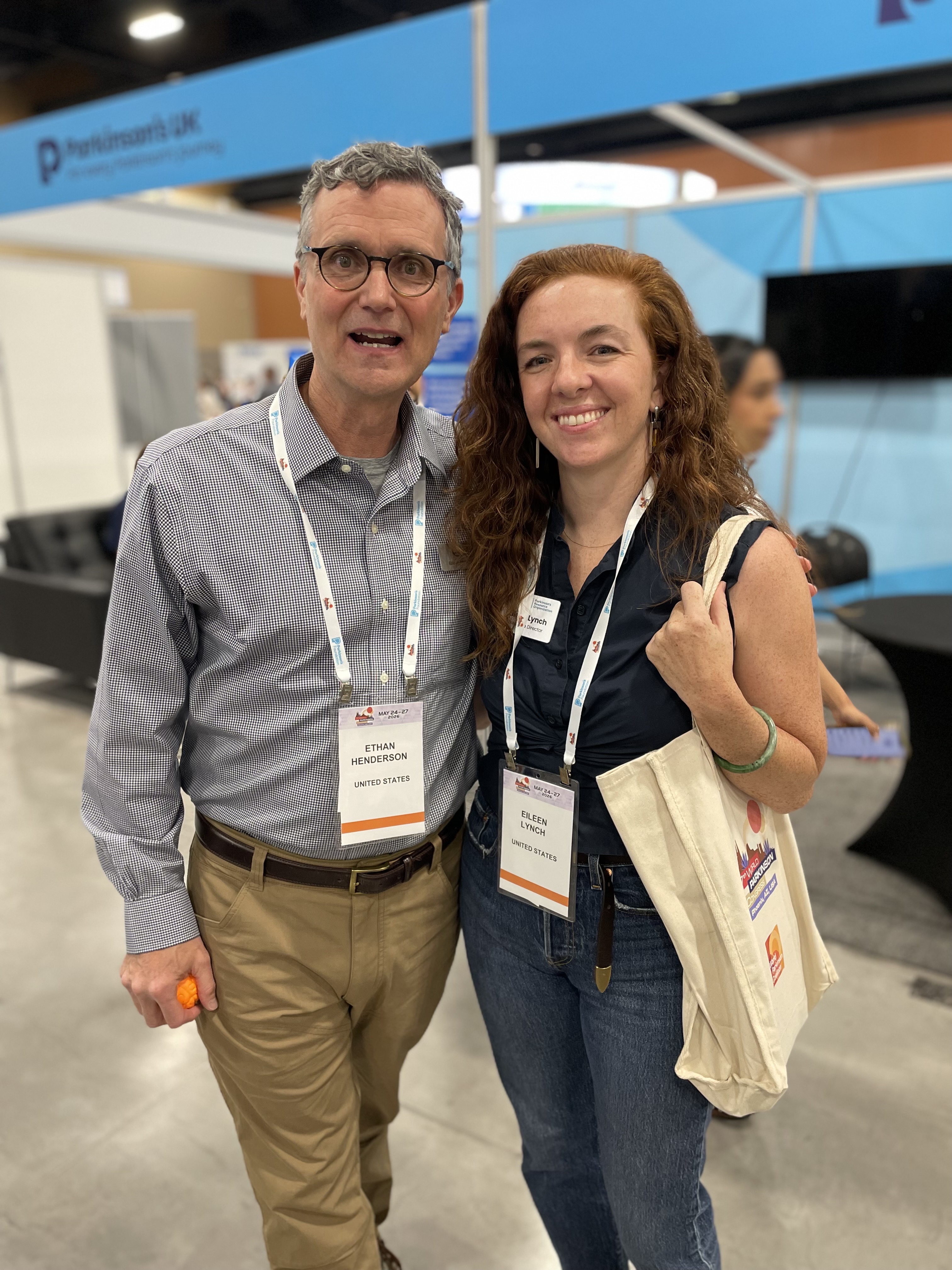
Category: Newsworthy NotesAt the 7th Annual World Parkinson’s Congress in Phoenix last week, global research and lifestyle leaders presented the latest advancements in Parkinson’s pathology and treatment. A sprawling body of research covered everything from cannabis usage to stem cell therapies to fecal transplants (yes, really). Read on for four key takeaways from the conference.
Habit stacking can change your life – People living with Parkinson’s will hear an endless litany about the importance of diet and exercise to slow disease progression. However, turning fact into action often feels insurmountable, especially with Parkinson’s apathy and fatigue. Per Matt Buman of Arizona State University, failure to change behavior is not lack of willpower but rather a system design failure. To effectively incorporate healthy habits, reduce friction, increase reward, and start slow. Researchers recommend ‘habit stacking,’ an approach in which small actions are linked to clear prompts. The habit stacking ‘ABCs’ are: Anchor, Behavior, and Celebration. “After I sit down for my meds (anchor), I will do two minutes of hand exercises (behavior), then I will say ‘great job’ (celebration).”
Caution with stem cell therapy – Stem cell therapy was a hot topic, but even its strongest proponents urged attendees to temper expectations and proceed with caution. Only 33 patients globally have successfully completed stem cell therapy treatments from human stem cells. The therapies have proven successful to treat dopamine responsive symptoms like slowness and stiffness, but no improvements to symtpoms like apathy and sleeplessness. Per researchers, stem cell therapy will not cure Parkinson’s, but it can repair part of the brain. Most importantly, here in the U.S. stem cell therapies are still in the clinical trial phase – if you are being asked to pay for a stem cell treatment, don’t. We’ll cover this topic in greater detail in next month’s newsletter.
One size does not fit all – As science evolves to differentiate nuanced Parkinson’s pathologies, the future of Parkinson’s treatment will likely involve highly personalized biomedical therapeutics engineered to reflect your individual gut microbiome, lifestyle, disease pathway, and more. Treatments will become more targeted and precise; rather than unlock a ‘magic bullet,’ we’ll continue to unlock the complex tracery of a complex disease within the complex machinery of the human brain and body.
“The best is yet to come.” – That’s a direct quote from Ai Huey Tan of Malaysia, a scientist studing microbiome pathology. Scientists and researchers feel hopeful that advancements in wearable tech, greater global collaboration on shared data intiatives, and rapidly evolving therapeutic delivery systems will transform the experience of Parkinson’s – for those who can access the highest levels of care.
As scientists and providers presented their research, participants pushed back with a distinct call to action – hurry up. For people living with Parkinson’s today, time is of the essence. The best is yet to come, but will it come in time?
Image Gallery

- Next Article
- A NEW CHAPTER FOR PRO: WE'RE MOVING (LOCALLY)!
- Previous Article
- Newsworthy Notes June 2026